If you call three shops and ask for “brakes,” you may get three different prices because the quotes may not include the same parts, part quality, labour or warranty. Start with the symptom and an inspection; compare the complete repair, not just the lowest number.
What should a brake inspection include?
A useful inspection connects your complaint to measurements and component condition. Depending on the vehicle and symptom, that can include pad or shoe thickness, rotor or drum condition, caliper movement, hoses, visible brake lines, fluid condition and a road test when safe and appropriate.
- Record pad thickness and compare wear side-to-side and inner-to-outer.
- Assess rotor surfaces and measure against the specification for that exact rotor.
- Check that calipers, slides and parking-brake components move as intended.
- Look for leaks, damaged flexible hoses and visible corrosion or damage to brake lines.
- Document findings with photos and measurements, then provide an estimate before repair.
Pads only, or pads and rotors?
Pads create friction against the rotors. Replacing pads alone can be reasonable when the rotors are thick enough, run true, have a suitable surface and meet the vehicle maker’s specifications. Pads and rotors are commonly replaced together when rotors are worn, deeply scored, heavily rusted, heat-damaged or contributing to vibration.
There is no responsible universal rotor number for every car. Minimum thickness is specific to the rotor and vehicle, and the stamped or published discard specification is only one part of the decision. A technician also considers surface condition, thickness variation, runout and whether the rotor can remain serviceable through the life of the new pads.
What your brake symptom may mean
| Symptom | Possible causes | How quickly? |
|---|---|---|
| Grinding or metal-on-metal sound | Pad friction material may be gone; rotor or other damage is possible. | Urgent. Minimize driving and have it checked promptly. |
| Soft, sinking or unusually low pedal | Hydraulic leak, air, fluid issue or internal component fault. | Urgent. If braking is reduced, stop driving and arrange towing. |
| Steering wheel shakes while braking | Rotor thickness variation/runout, hub or suspension-related movement. | Book soon; urgency rises with poor braking, pulling or severe vibration. |
| Squeal with normal braking | Wear indicator, pad material, surface condition, debris or hardware. | Inspect soon. Noise alone does not identify the failed part. |
| One wheel hot or car pulls | Sticking caliper, seized slide, hose restriction or another imbalance. | Urgent. Continued driving can overheat components. |
If the red brake warning lamp stays on, you see a fluid leak, the pedal changes suddenly or the car does not stop normally, do not rely on an online guide. Stop in a safe place and arrange professional help.
Why brakes vibrate
“Warped rotors” is common shorthand, but vibration can come from rotor thickness variation, lateral runout, uneven friction deposits, hub corrosion, installation issues or looseness elsewhere in the wheel and suspension. Measuring before replacing parts matters—especially if vibration returned soon after a previous brake job.
When does a caliper need replacement?
A caliper should not be condemned just because pads are worn. Replacement may be justified when a piston is seized or leaking, the mechanism will not retract or apply correctly, the housing is damaged, or the integrated parking-brake mechanism has failed. Sometimes seized slide pins or damaged hardware can be serviced separately; the correct repair depends on the design and condition.
Brake fluid, hoses and brake lines
Brake fluid
Brake fluid absorbs moisture over time. Service recommendations vary by manufacturer and vehicle use. Fluid colour can be a clue, but a recommendation should also consider service history, manufacturer guidance, moisture/condition testing where used and any hydraulic repair being performed.
Brake hoses and lines
Flexible hoses can crack, chafe, swell or restrict flow internally. Steel lines can corrode—especially in Ontario winters—but surface rust is not automatically the same as a dangerous line. Wetness, active leaks, heavy scaling, pitting and location all matter. Suspected hydraulic leaks are urgent.
Why brake quotes differ between Waterloo shops
- Scope: pads only versus pads, rotors, hardware and servicing.
- Parts: economy, premium, coated or application-specific components.
- Vehicle design: electronic parking brakes, performance packages and larger brakes affect cost.
- Condition: seized fasteners, calipers or corroded components may only be visible after inspection.
- Warranty: confirm whether both parts and labour are covered, and for how long.
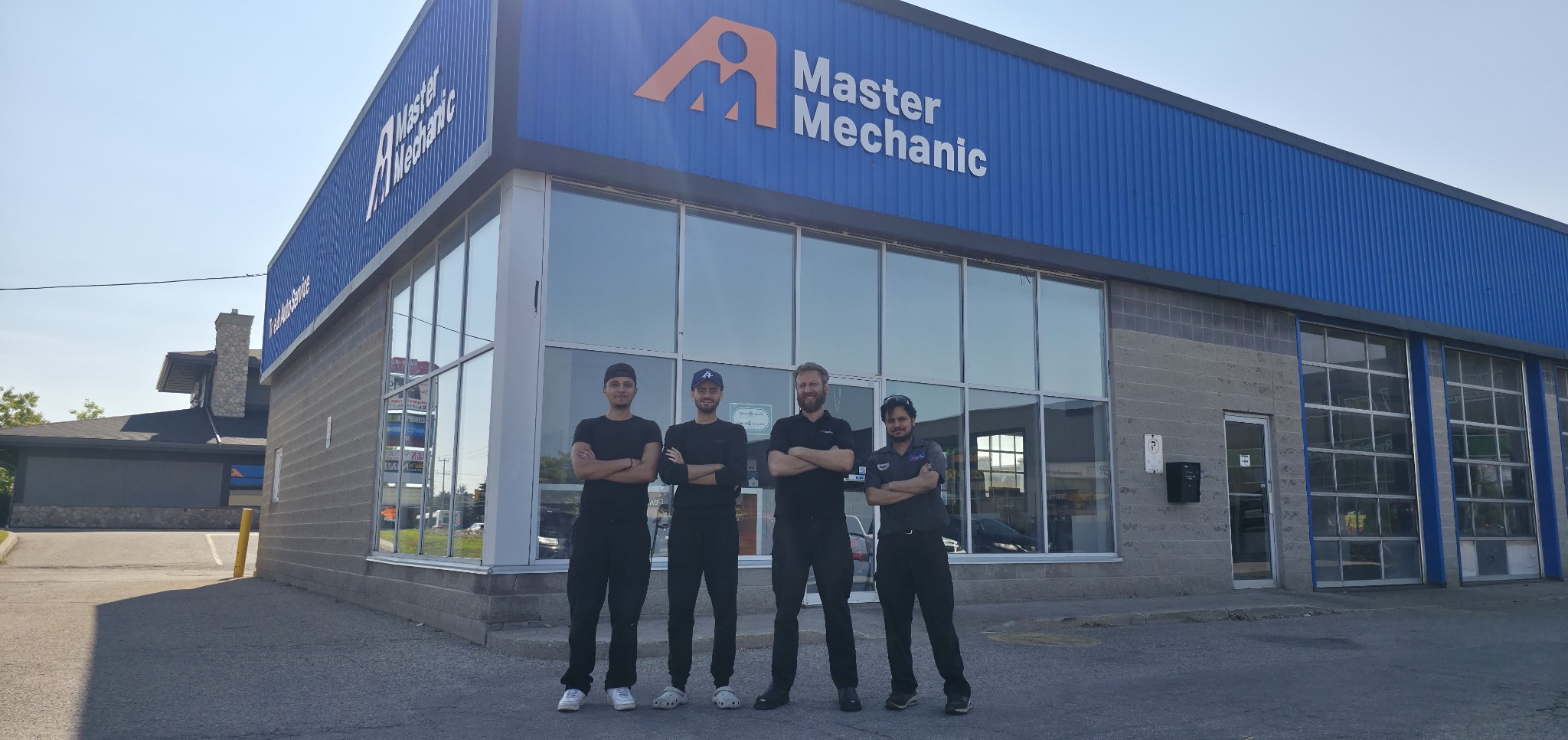
Master Mechanic Waterloo generally uses higher-quality brake components and backs qualifying brake repairs with a 3-year/60,000-km parts-and-labour warranty. Ask any shop to put the proposed parts, labour, warranty and exclusions in writing.
Can brakes be repaired the same day?
Often, yes. Master Mechanic Waterloo can usually complete common brake repairs the same day when the appointment is booked early, the vehicle arrives as planned and parts are available. Uncommon components, additional corrosion or a fault discovered during disassembly can change timing.
Quick answers
Is the brake inspection free?
Yes. Master Mechanic Waterloo currently offers a free brake inspection with relevant measurements, digital photos where useful, an explanation of the findings and an estimate before repairs begin.
What happens during a brake inspection?
The team checks the relevant brake components, records useful measurements and may include digital photos. The findings are used to explain what needs attention and provide an estimate before repairs begin.
How much are pads and rotors?
Many standard pads-and-rotors repairs on one axle fall around $600–$799 before tax at Master Mechanic Waterloo. Some vehicles and brake systems exceed this range. Your written estimate will reflect the vehicle, chosen components and anything else found during inspection.
Can brake work wait?
Some measured wear with normal operation can be planned. Grinding, a changed pedal, leaking fluid, pulling, overheating or reduced stopping ability should not wait.
Related Waterloo guides
If the vehicle pulls or the steering wheel is off-centre even when you are not braking, read the Waterloo wheel alignment guide. Brake pull and alignment pull can feel similar, so the symptom should be diagnosed before assuming.